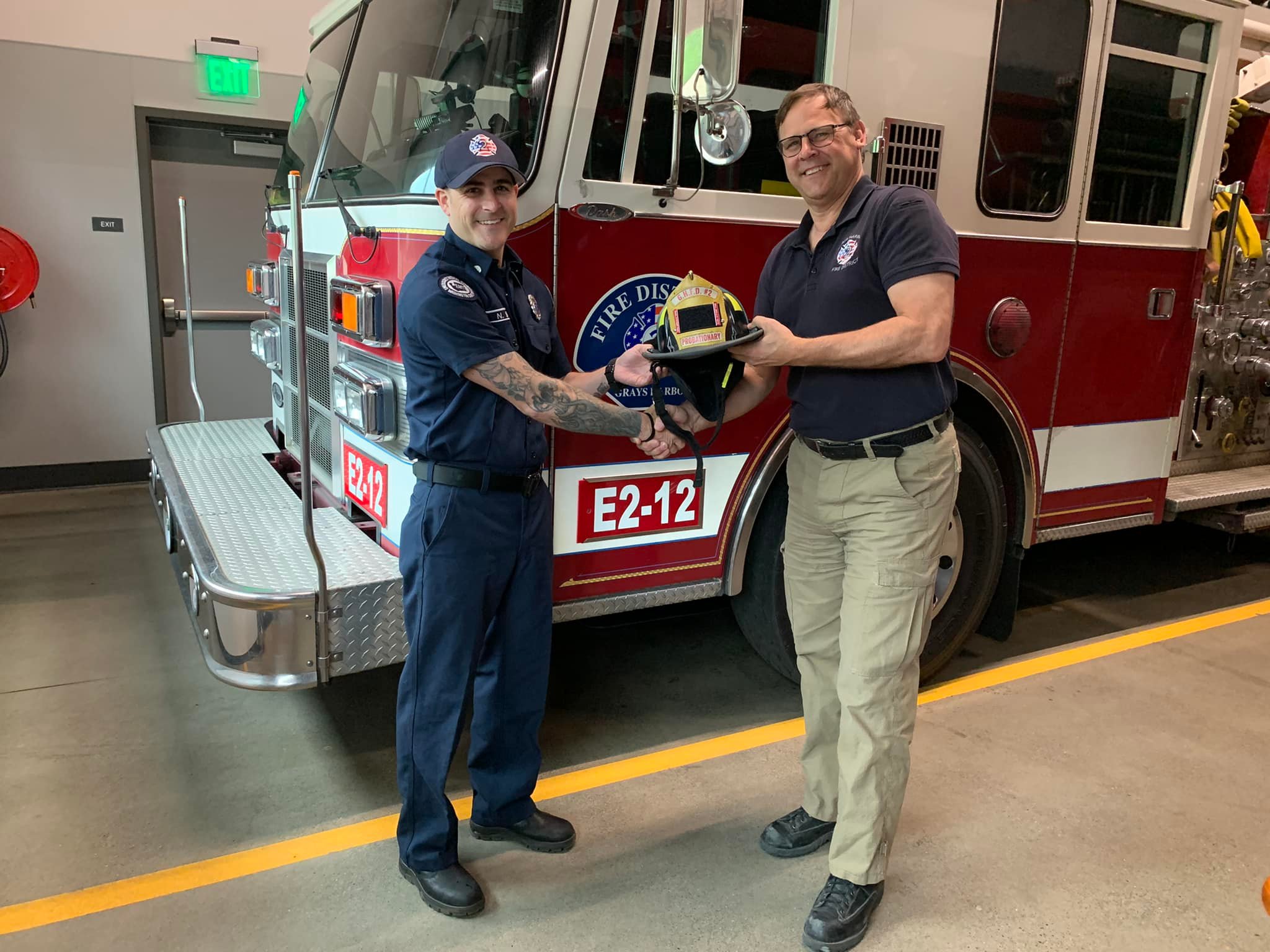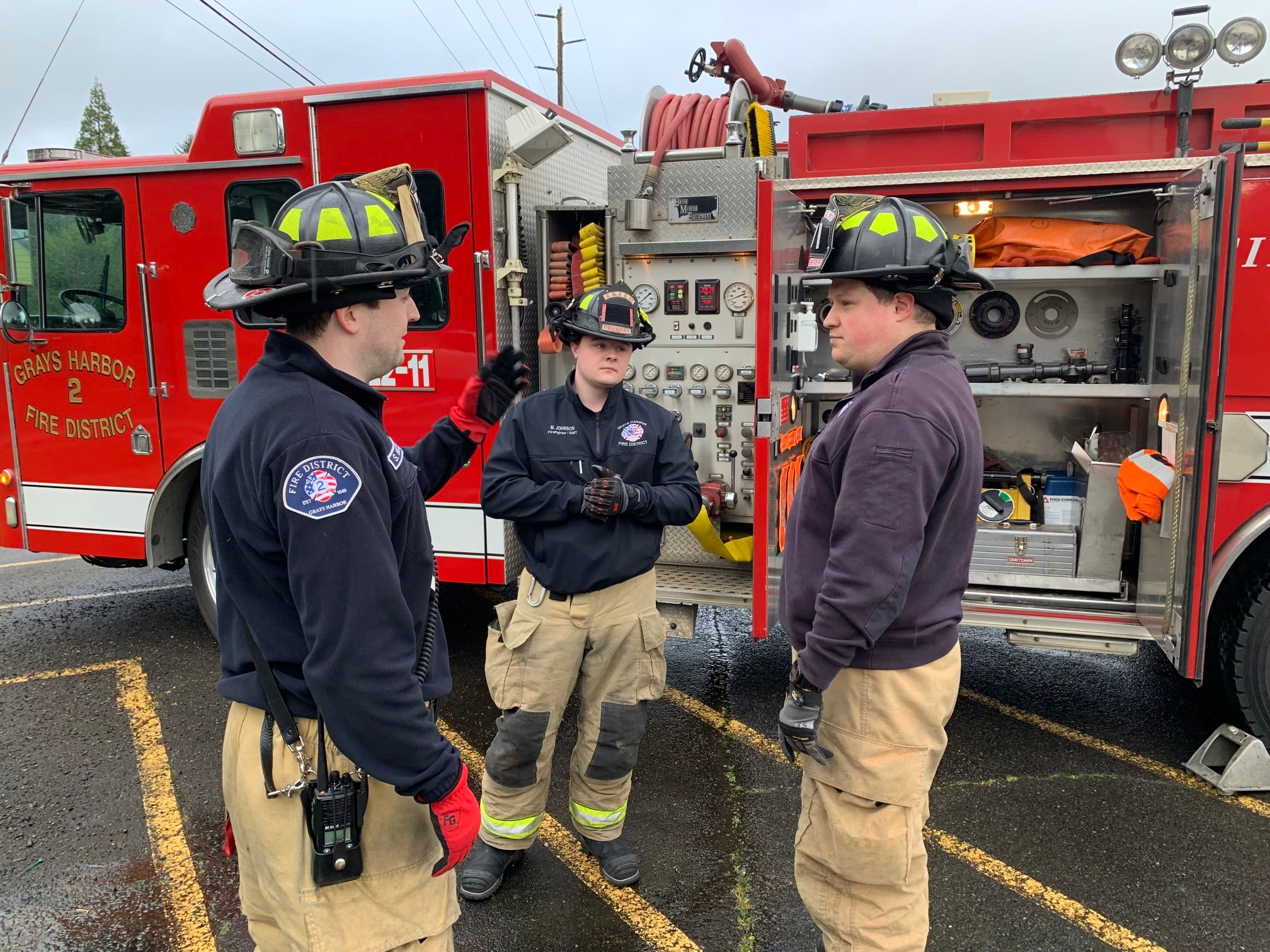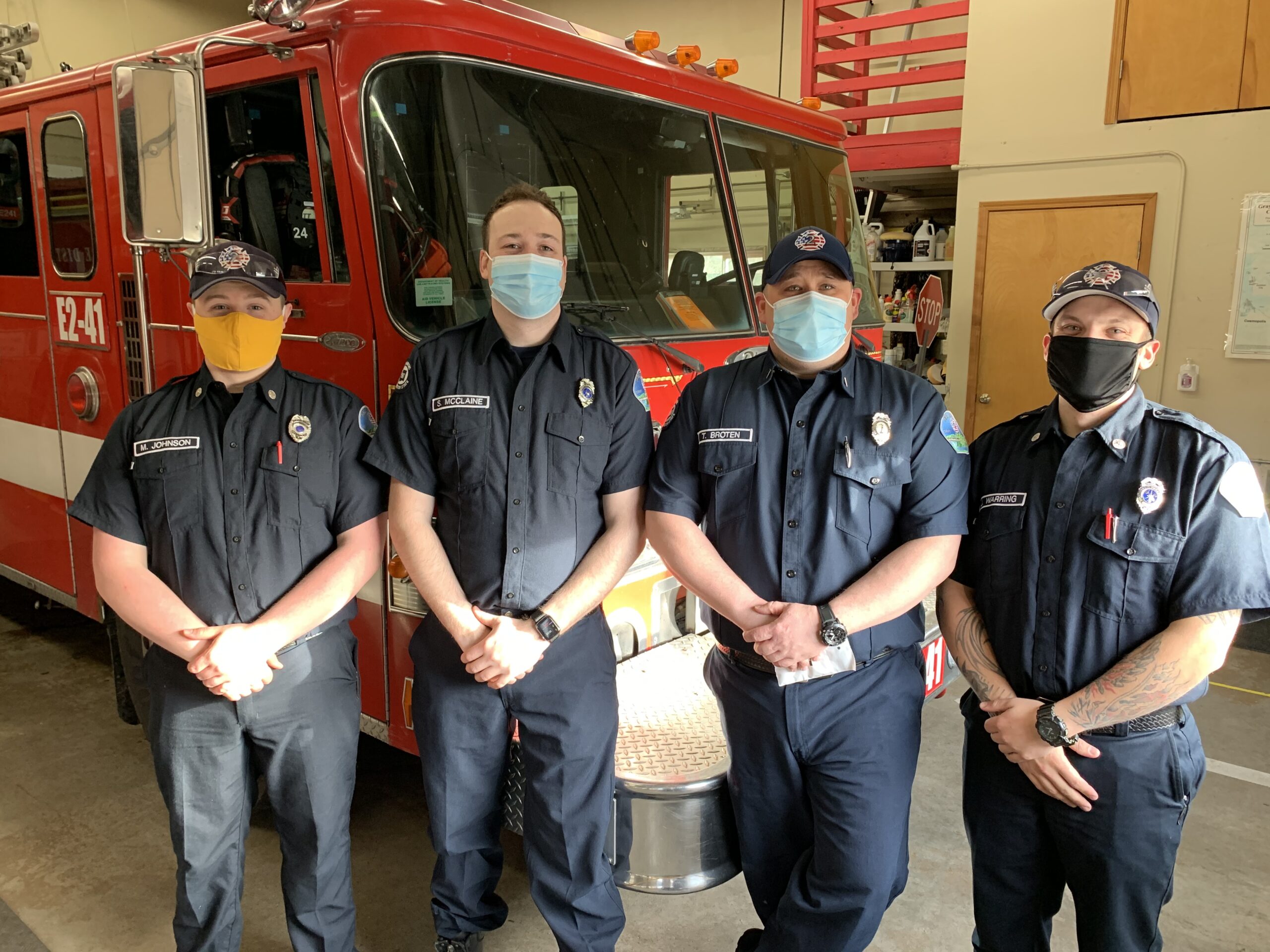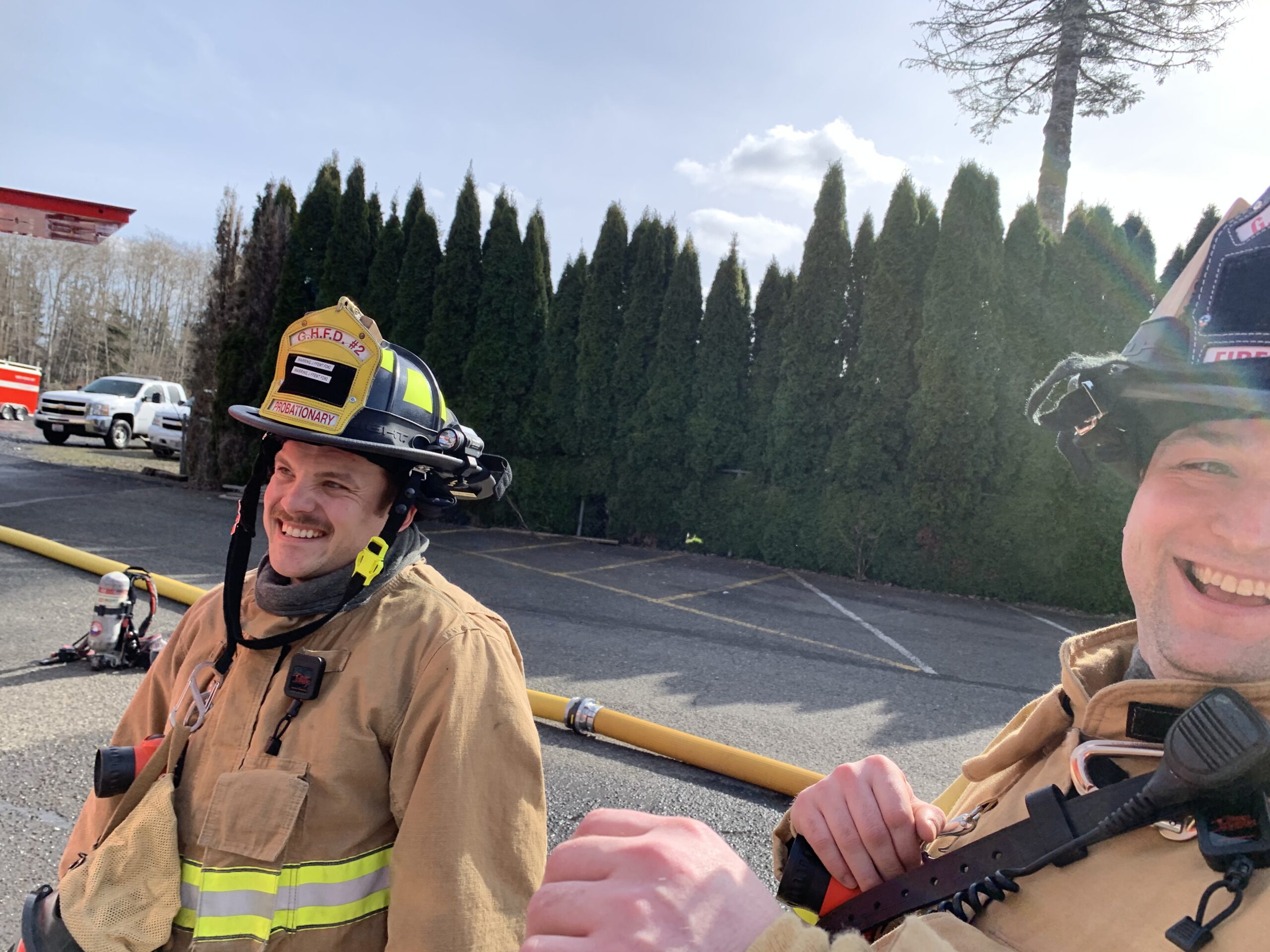
The District

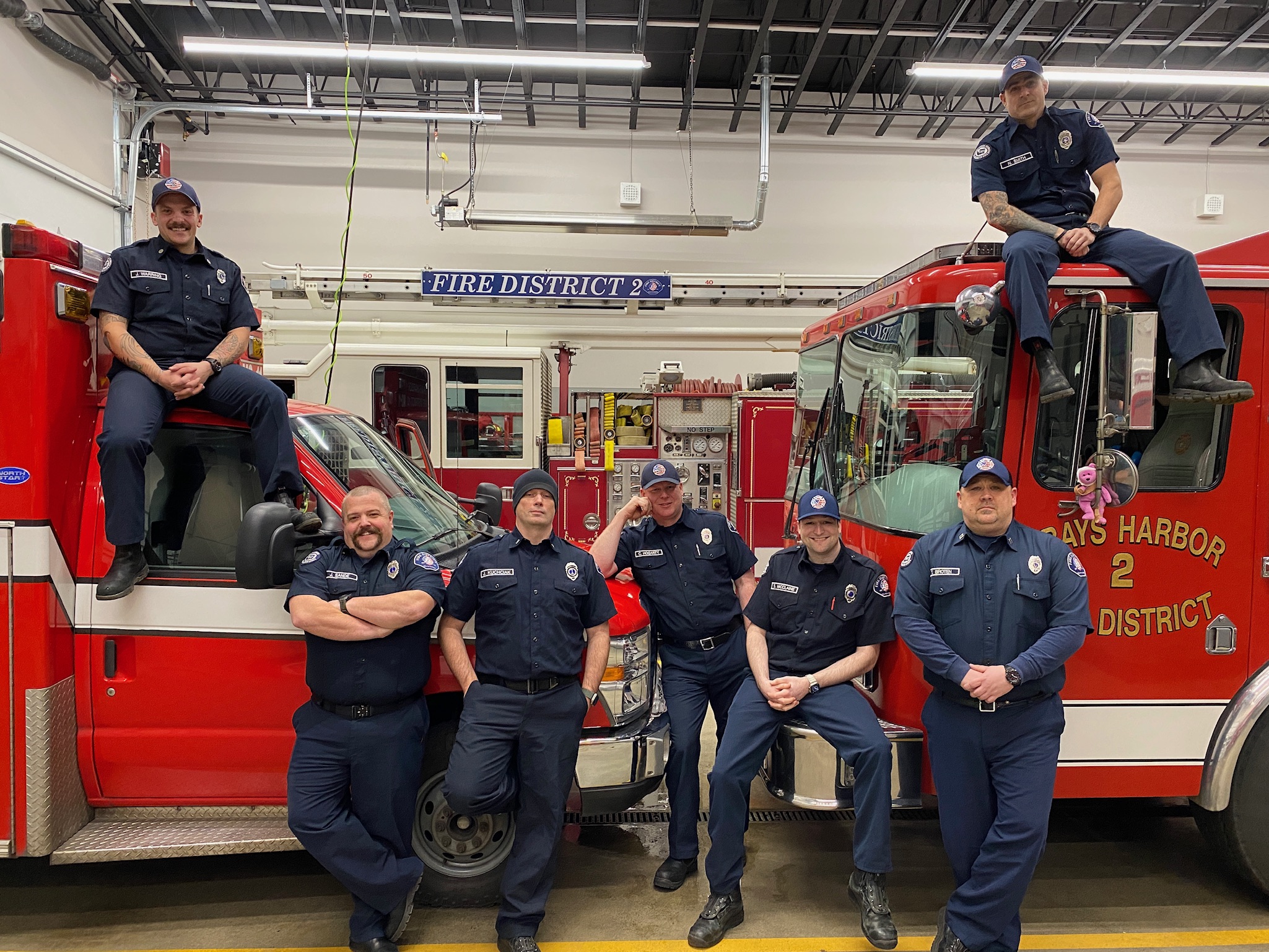
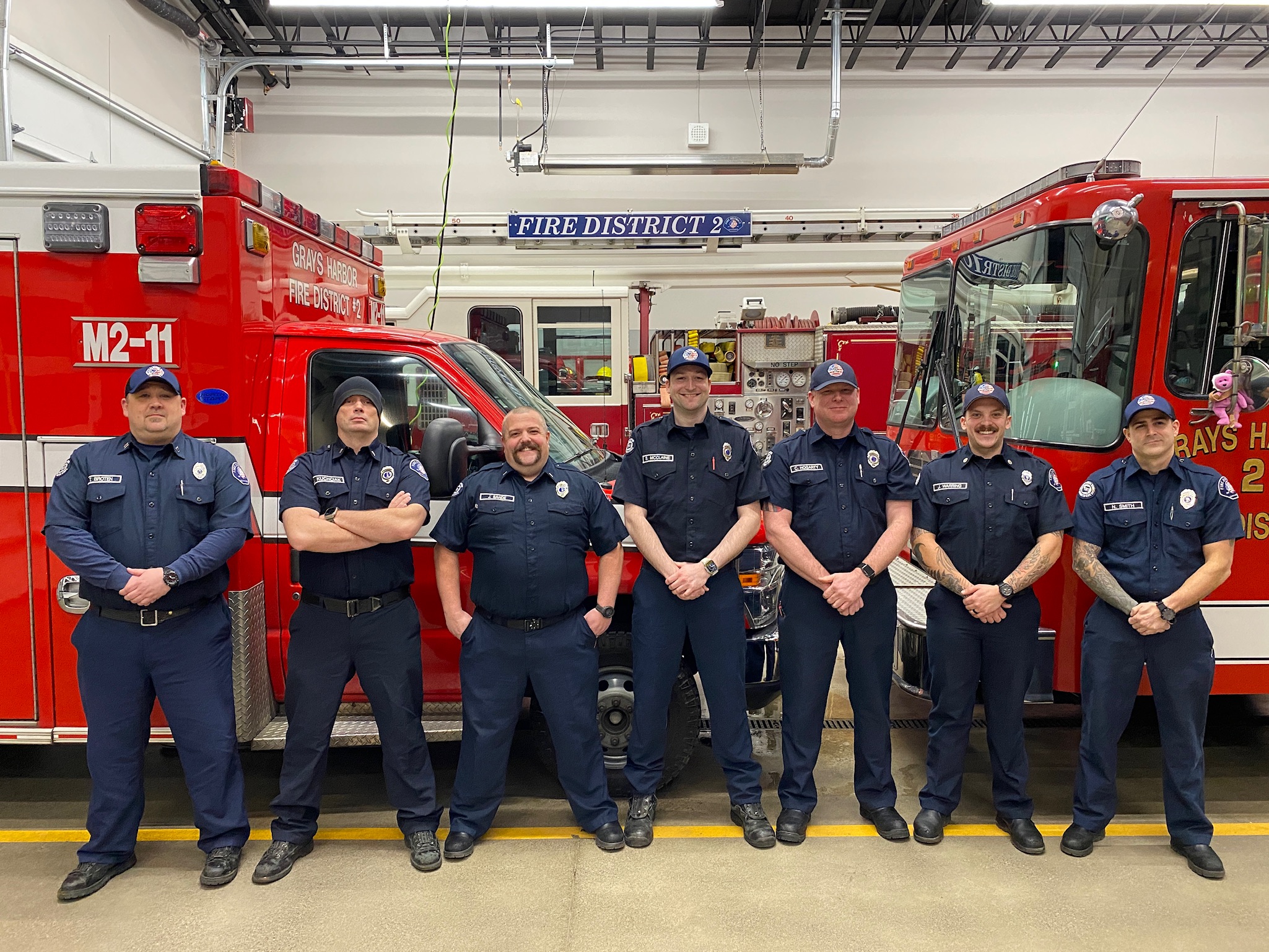
Grays Harbor Fire District #2’s mission is to be a leader in providing fire protection, fire prevention, and emergency medical care to the residents of the fire district in order to save lives and property in a socially and ethically responsible manner.

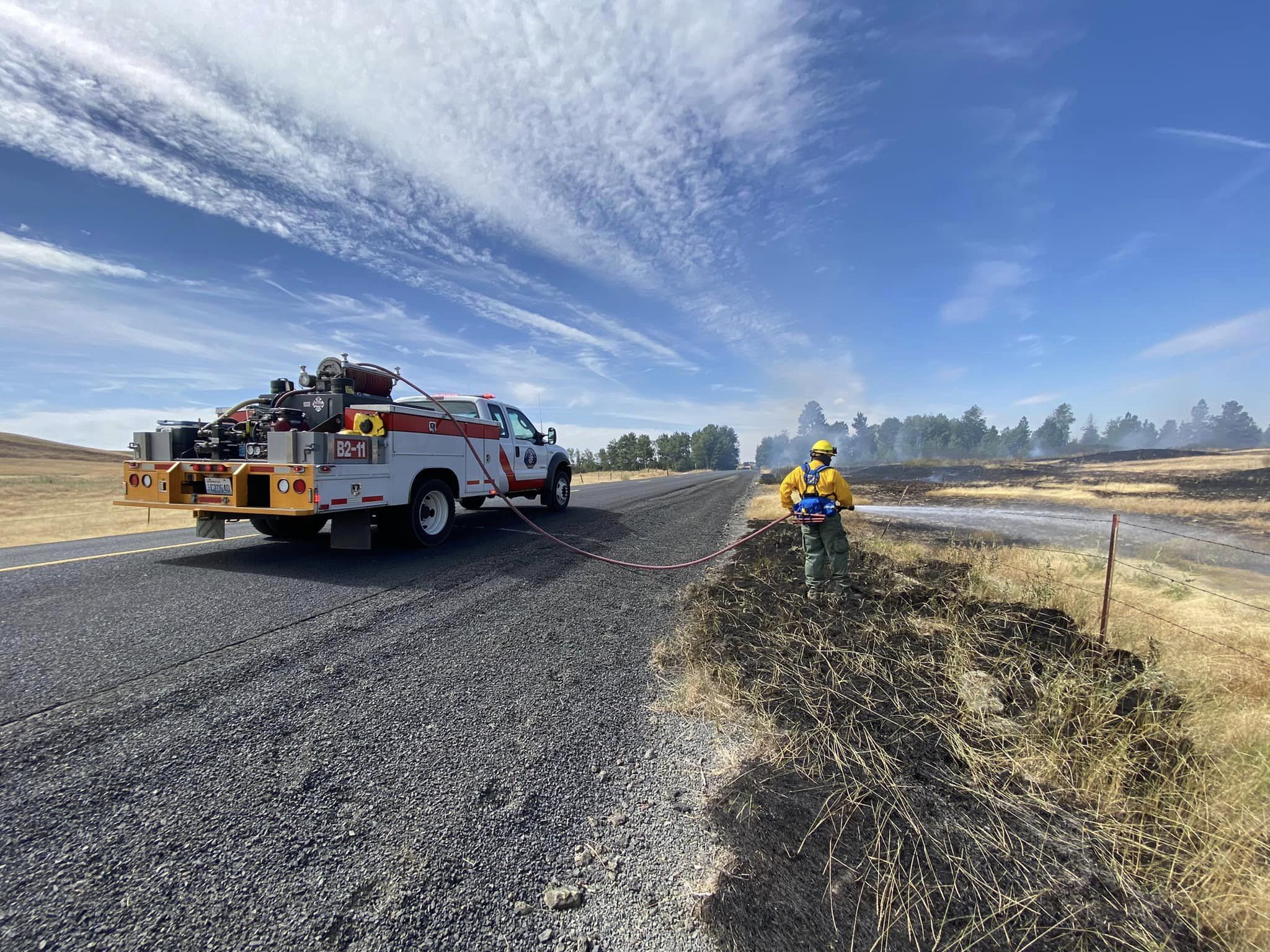
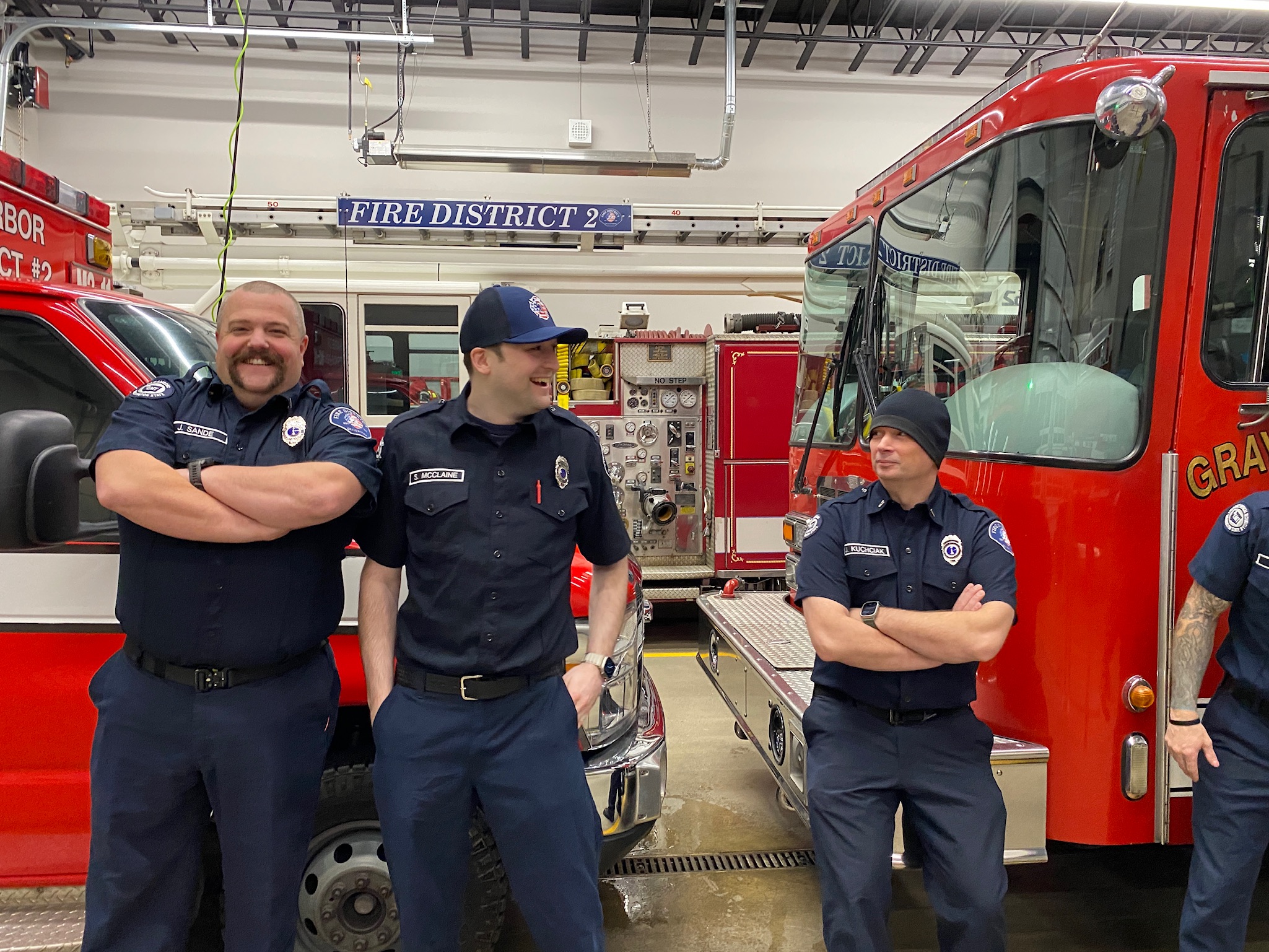
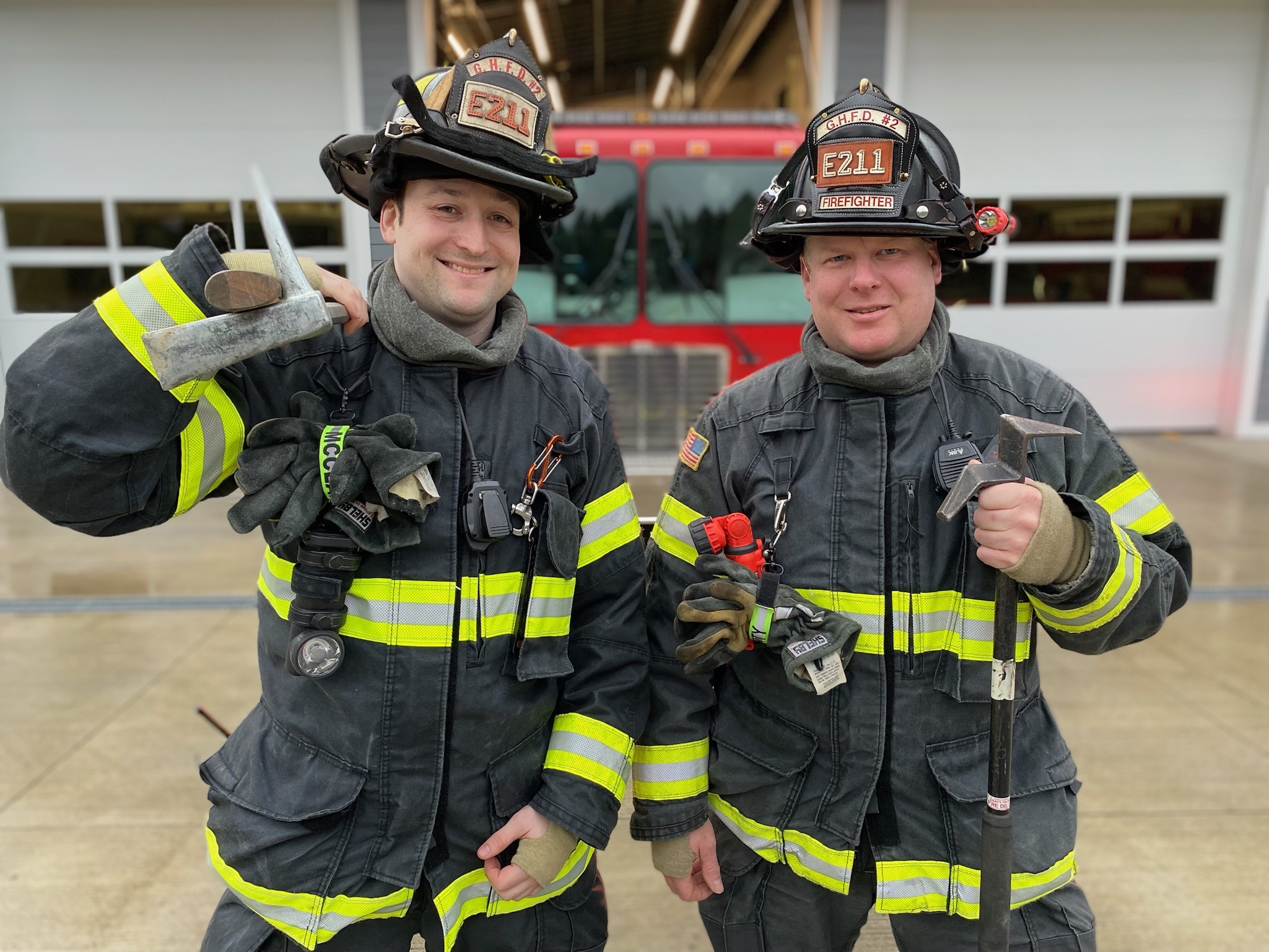
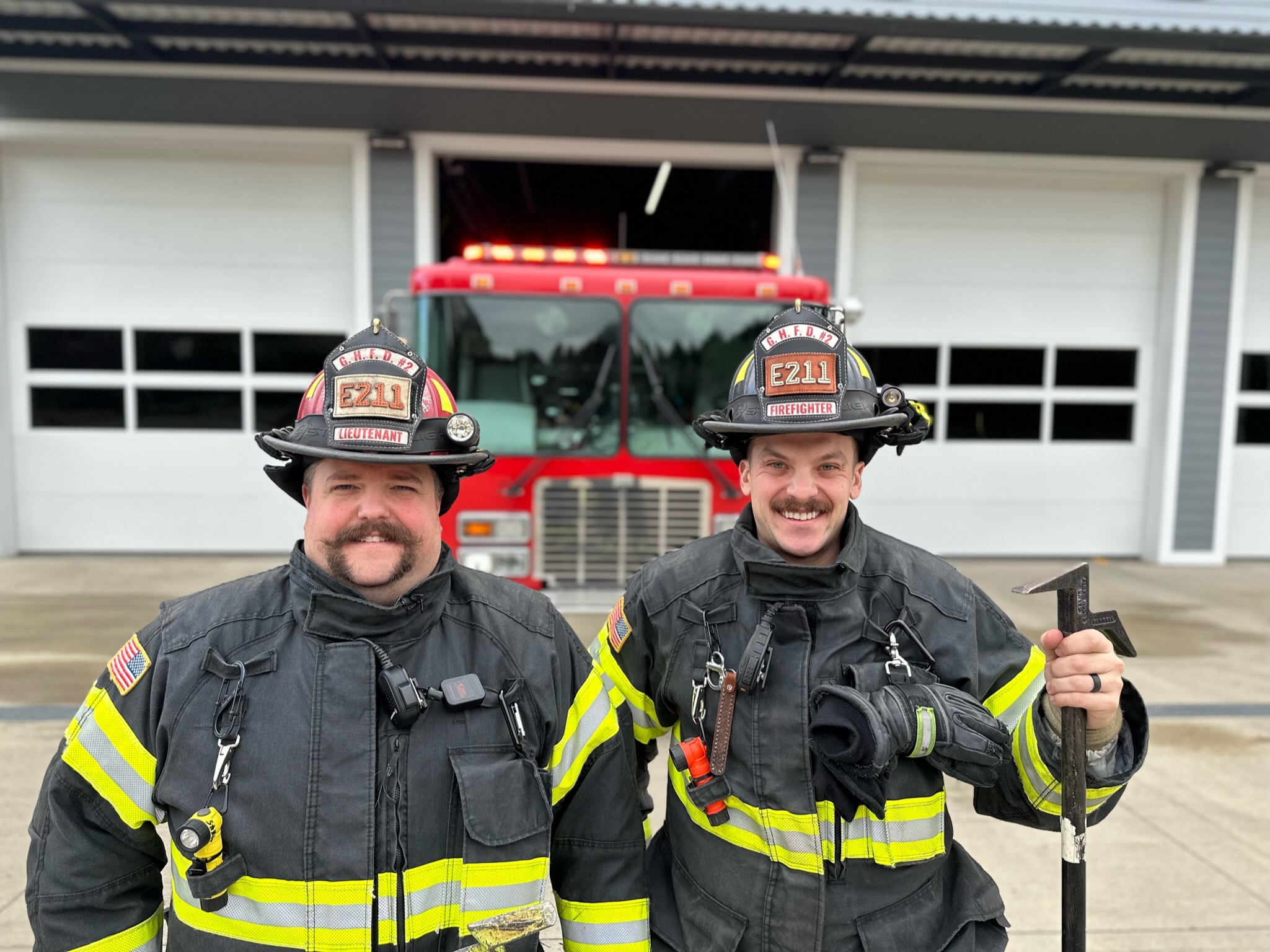
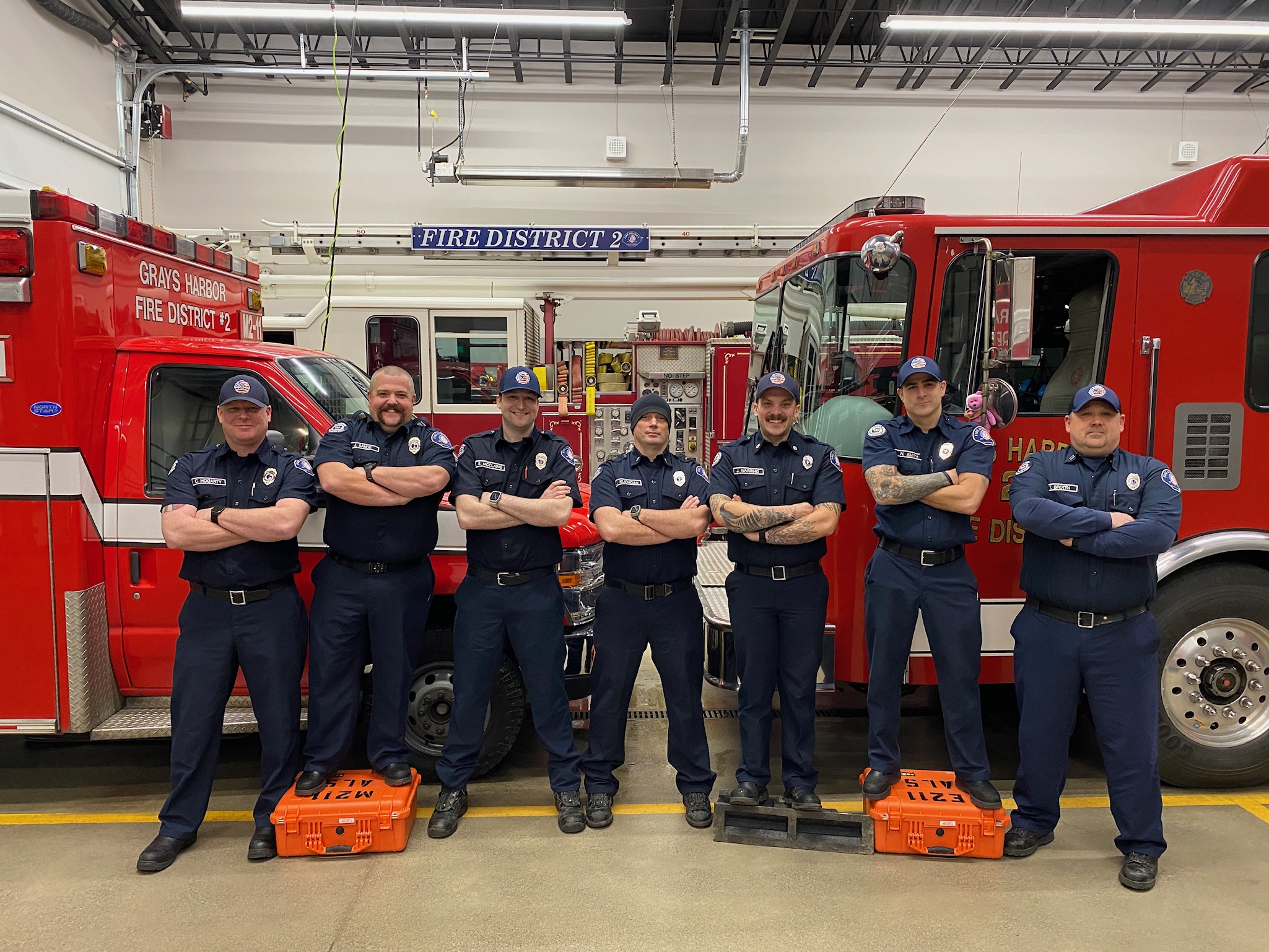
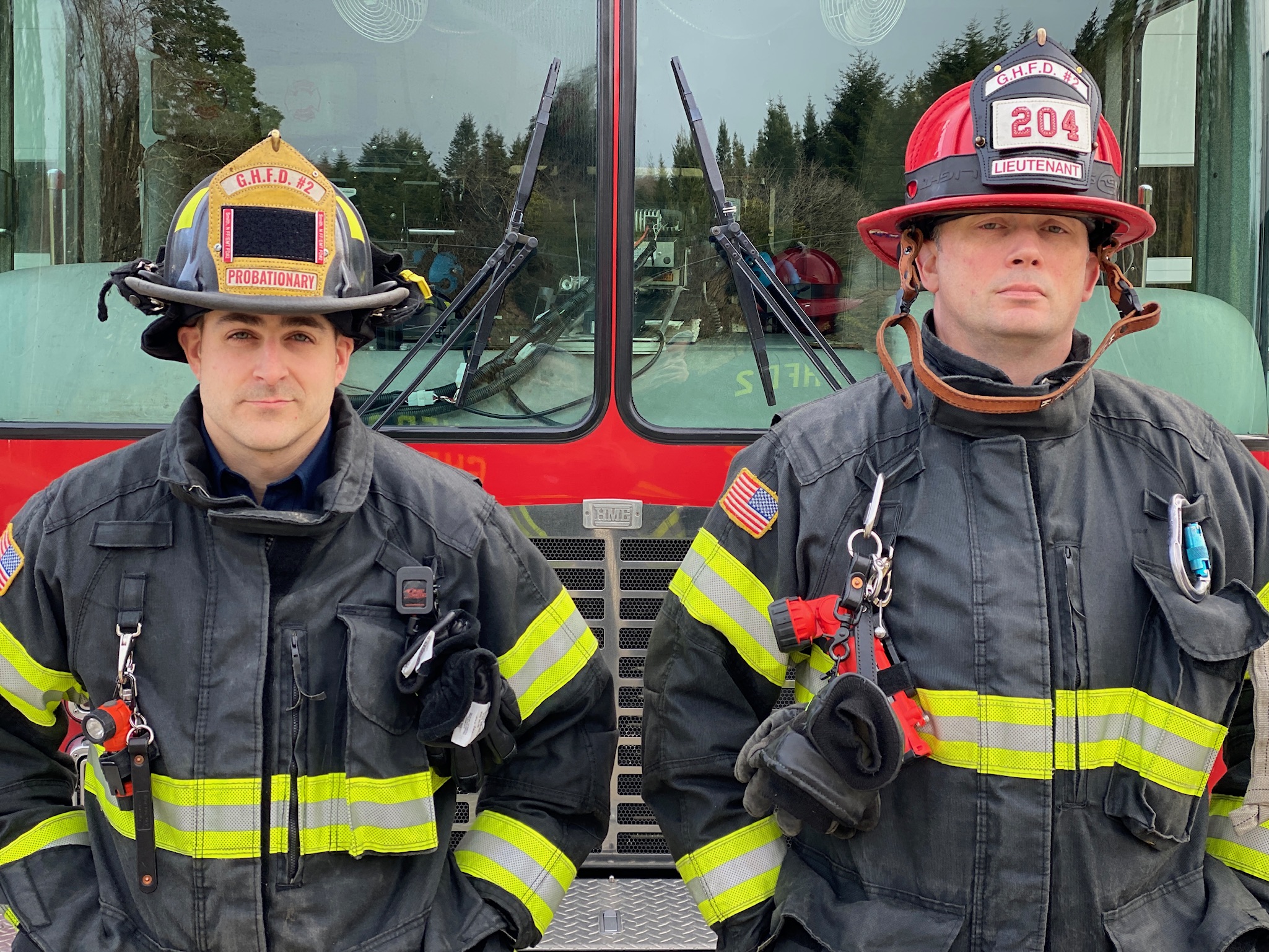
Formed in 1949 the Grays Harbor Fire District #2 provides fire prevention and suppression services, ALS emergency medical aid service, and protection of life and property to residents living within its service boundaries and beyond. It is governed by an elected three-member Board of Commissioners. The District's Fire Chief, 6 full-time firefighter/paramedics, 35 volunteers and 3 Senior Reserves provide fire and emergency medical services to approximately 304 square miles which incumbents Brady, Wynoochee, Central Park and outlying Montesano areas.

Safety Videos highlighted may not always be direct from District 2, however have great educational value to share with our community.  ----->

Safety Video's

Recently Added Photos

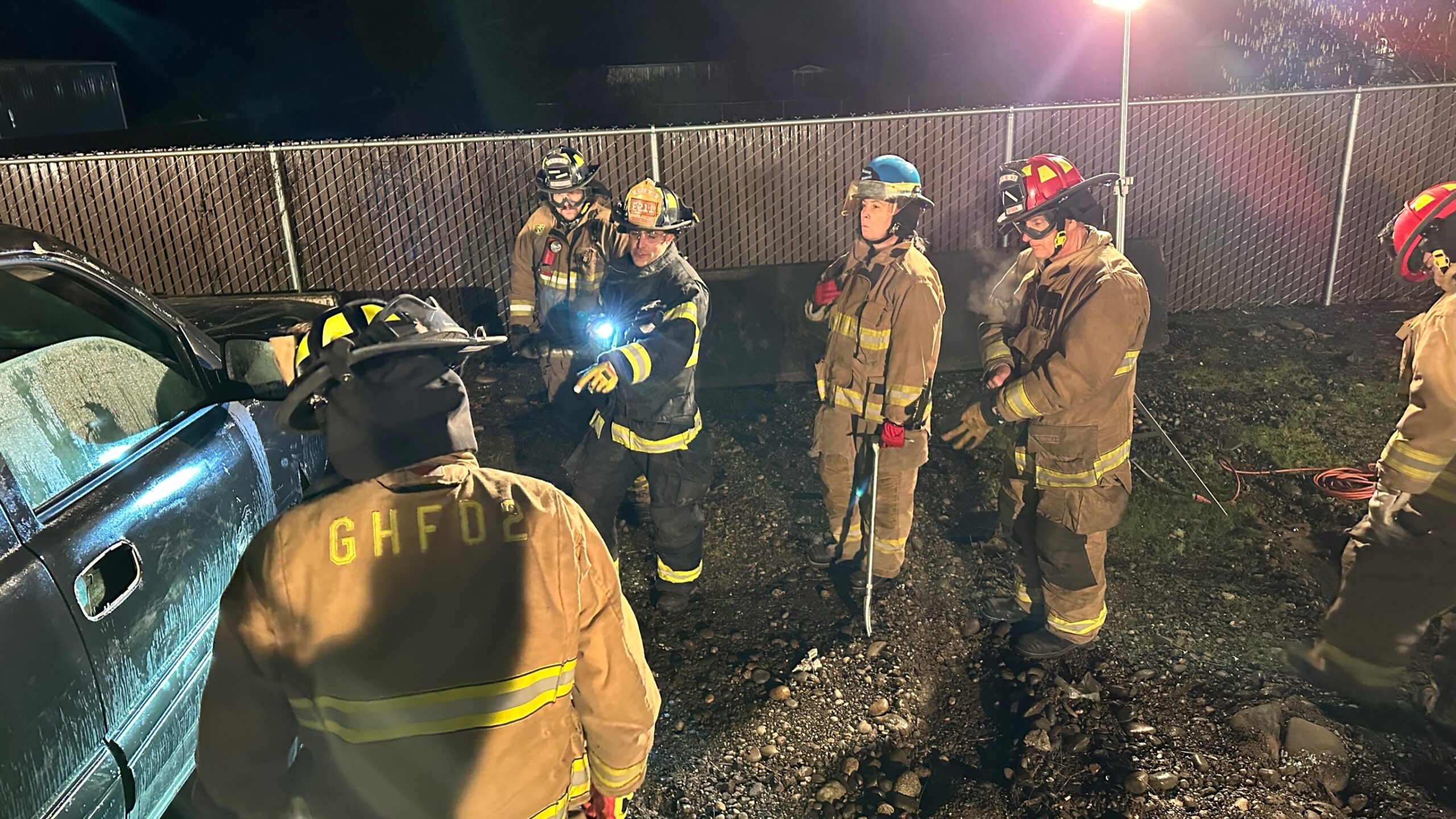
Extrication Drill Sept 21 2011_33
Extrication Drill Sept 21 2011_32
Extrication Drill Sept 21 2011_31
Extrication Drill Sept 21 2011_30

Upcoming Events

Drill
February 08, 2012 (19:00)
Drill
February 15, 2012 (19:00)
View full calendar

Grays Harbor Fire District #2

Print
PDF

Volunteer Applications Being Accepted

Written by GHFD2.

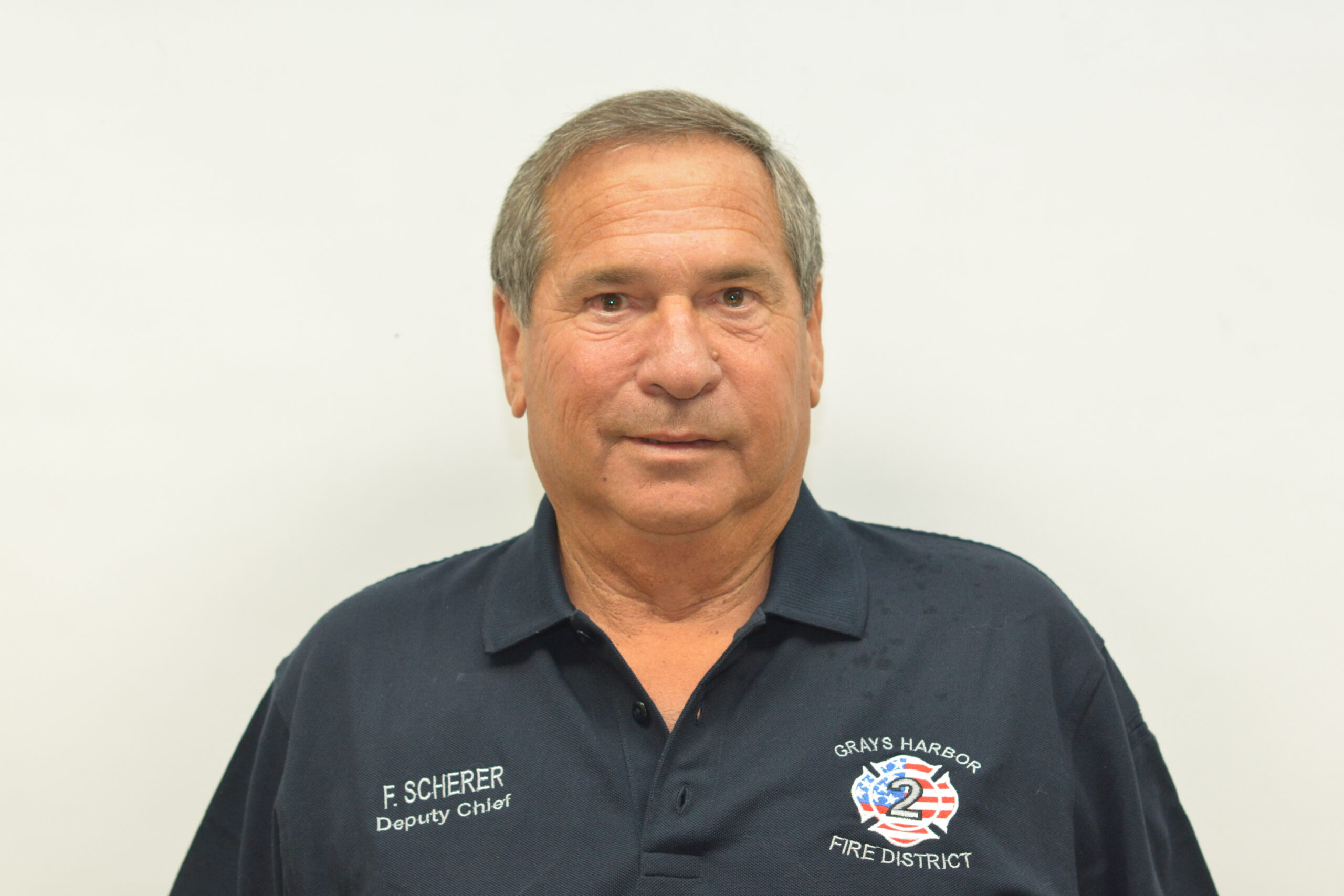
Grays Harbor Fire District 2 is seeking new volunteer firefighters and emergency services personnel for new recruit training the first week of March. District 2 has three stations, located in Central Park, Brady and Wynooche and serves 304 square miles including Brady, Wynoochee, Central Park and some outlying Montesano areas.  For application and program information CLICK HERE or contact: Chief Leonard Johnson, 532-6050; Deputy Chief Frank Scherer, 310-0771; or Deputy Chief Larry Willis, 580-5809.

Print
PDF

Surviving the Cold , Keeping Your Home Safe and Warm

Written by GHFD2.

We have had a pretty cold start for the winter, one of the Dryest Decembers - Here are some safety tips to consider when trying to keep your home warm during the winter

These safety tips are from CDC, the National Fire Protection Association, and the U.S. Consumer Product Safety Commission to prevent injuries and deaths related to heating your home.


  • Install a smoke alarm near bedrooms and on each floor of your home. Test it monthly. If it has a 9-volt battery, change the battery once a year.
  • Install a carbon monoxide (CO) alarm near bedrooms and on each floor of your home. If your alarm sounds, the U.S. Consumer Product Safety Commission suggests that you press the reset button, call emergency services (911 or your local fire department), and immediately move to fresh air (either outdoors or near an open door or window). Know the symptoms of CO poisoning: headache, fatigue, dizziness, and shortness of breath. If you experience any of these symptoms, get fresh air right away and contact a doctor for proper diagnosis.
  • Make sure heating equipment is installed properly. Have a trained specialist inspect and tune up your heating system each year.
  • Keep portable space heaters at least 3 feet from anything that can burn, including bedding, furniture, and clothing. Never drape clothing over a space heater to dry.
  • Keep children and pets away from space heaters. Never leave children in a room alone when a space heater is in use.
  • If you use a kerosene heater, use only the fuel recommended by the manufacturer. Never put gasoline in a kerosene heater--it could explode. Before you refuel the heater, turn it off and let it cool down. Refuel outside only.
  • When using a kerosene heater, keep a door open to the rest of the house or open a window slightly. This will reduce the chance of carbon monoxide build-up in the room.
  • Have your fireplace chimney and flue inspected each year and cleaned if needed. Open the flue and use a sturdy fireplace screen when you have a fire. Burn only untreated wood; never burn paper or pine branches--pieces can float out the chimney and ignite your roof, a neighbor's roof, or nearby trees.
  • If you use a wood-burning stove, have the chimney connection and flue checked each year. Make sure the stove is placed on an approved stove board to protect the floor from heat and coals.
  • Never use your range or oven to heat your home, even for a short time.
J